Craft spirits in Africa: where does the movement stand?
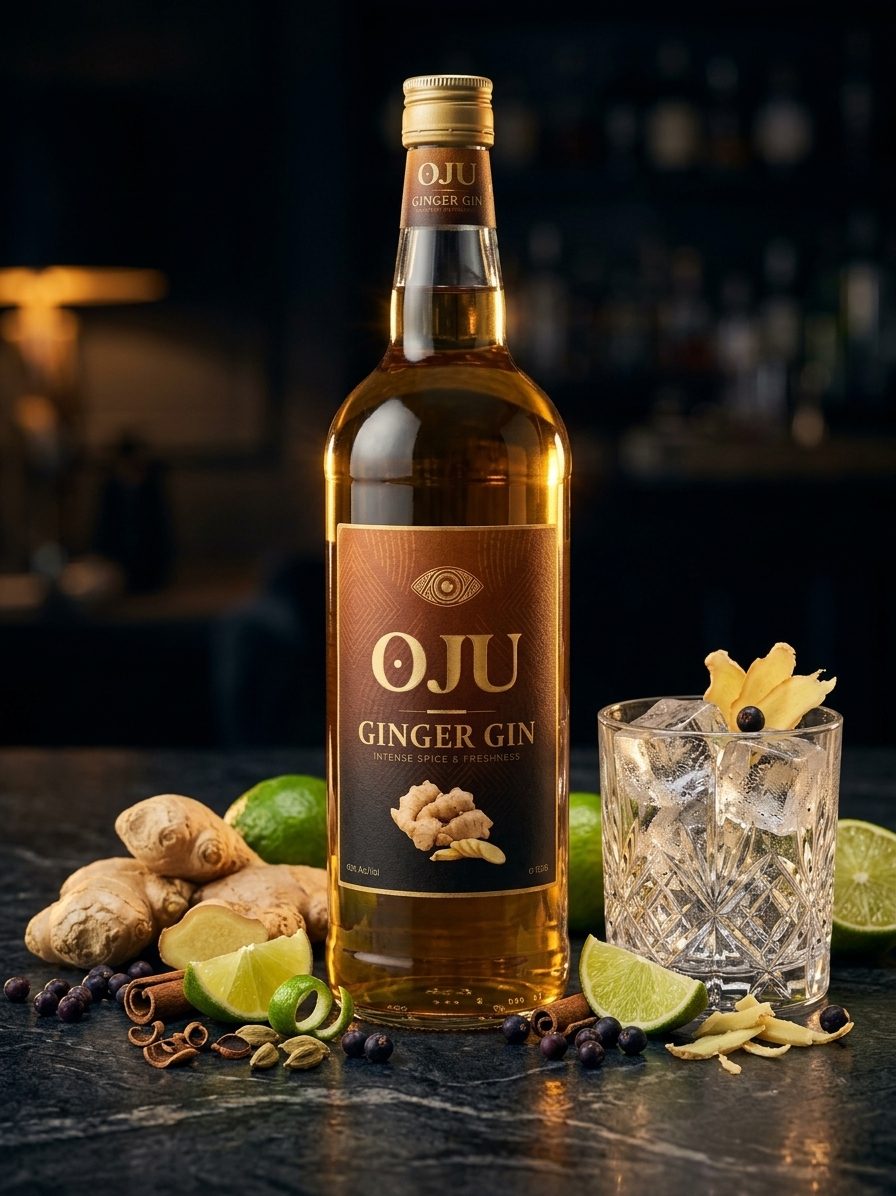
The craft spirits movement has transformed whisky, gin and rum in Europe and North America over the past fifteen years. In Africa, this movement is only just emerging — and OJU is part of it.
In Western markets, the term "craft" describes an artisanal, small-scale approach, driven by independent producers who prioritize quality, originality and ingredient traceability over large industrial brands. This movement has created thousands of micro-distilleries and transformed how consumers choose their spirits.
A movement still young in Africa
In West Africa, the spirits landscape remains largely dominated by two categories: major imported international brands, and local artisanal productions with a sometimes poorly structured image, lacking a strong brand identity or premium presentation. The middle ground — craft spirits, local, but presented with the same rigor as their international equivalents — remains largely unoccupied.
This is precisely the space OJU seeks to occupy, alongside a still-limited number of similar initiatives on the continent.
What Africa can bring to the craft movement
The Western craft spirits movement has largely explored its own botanicals — juniper, Mediterranean citrus, European herbs. West Africa holds a botanical heritage almost entirely unexplored by the spirits industry: moringa, local ginger, soursop, hibiscus, a multitude of traditional medicinal plants that could feed entire generations of new craft references.
OJU as a pioneer, not an endpoint
We don't believe OJU represents the culmination of this movement in Africa — rather, one of its first milestones. Our ambition is to help structure and legitimize a truly African craft spirits category, one that could one day hold, in bars around the world, a place comparable to British craft gin or American craft bourbon.